By The Daily Business
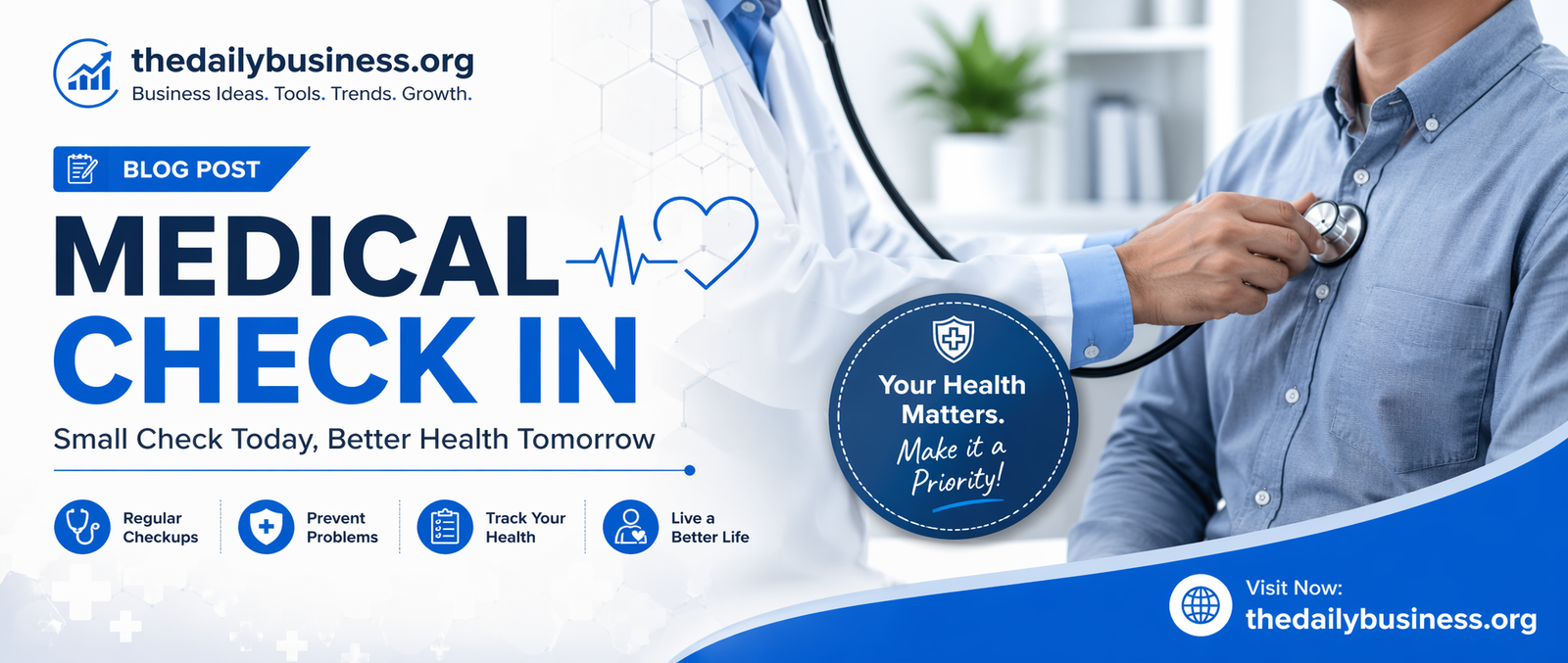
In today’s fast-paced world, maintaining good health often takes a backseat. However, regular medical check in plays a vital role in preventing diseases, detecting health issues early, and ensuring overall well-being. Whether you’re an individual or a business owner managing employee health, understanding the importance of medical check-ins is essential.
What is a Medical Check In?
A medical check in refers to a routine health assessment conducted by healthcare professionals to evaluate your overall health condition. It includes physical examinations, medical history reviews, and diagnostic tests to identify potential health risks.
Why Medical Check In is Important
Regular medical check-ins are not just for people who feel unwell. They are crucial for everyone. Here’s why:
1. Early Detection of Diseases
Many serious conditions like diabetes, heart disease, and cancer develop silently. A timely medical check in helps detect these issues early, increasing the chances of successful treatment.
2. Preventive Healthcare
Prevention is better than cure. Regular check-ins help identify risk factors and allow you to make lifestyle changes before problems arise.
3. Monitoring Existing Conditions
If you already have a health condition, consistent medical check-ins ensure it is properly managed and doesn’t worsen.
4. Improved Productivity
For businesses like The Daily Business, employee health directly impacts productivity. Healthy employees perform better and take fewer sick leaves.
What Happens During a Medical Check In?
A typical medical check in may include:
- Vital signs check (blood pressure, heart rate, temperature)
- Blood tests (cholesterol, glucose levels)
- Physical examination
- Medical history review
- Lifestyle assessment (diet, exercise, habits)
Depending on age and risk factors, additional tests may be recommended.
How Often Should You Have a Medical Check In?
The frequency of medical check-ins depends on your age and health condition:
- Ages 18–30: Every 2–3 years
- Ages 30–50: Every 1–2 years
- 50 and above: Annually
People with chronic conditions should consult their doctor for a personalized schedule.
Benefits of Regular Medical Check In
1. Saves Money in the Long Run
Early detection reduces the cost of expensive treatments later.
2. Better Quality of Life
Staying informed about your health helps you live a longer and healthier life.
3. Peace of Mind
Knowing your health status reduces stress and anxiety.
4. Personalized Health Advice
Doctors can guide you on diet, exercise, and lifestyle changes tailored to your needs.
Medical Check In for Businesses
Organizations like The Daily Business can benefit from promoting regular medical check-ins among employees:
- Boosts workplace productivity
- Reduces absenteeism
- Improves employee morale
- Demonstrates care for employee well-being
Implementing corporate health programs can be a smart long-term investment.
Tips to Prepare for a Medical Check In
- Fast if required before tests
- Bring previous medical records
- List current medications
- Be honest about lifestyle habits
- Prepare questions for your doctor
Conclusion
A regular medical check in is one of the most effective ways to stay ahead of health issues. It not only helps in early diagnosis but also promotes a healthier lifestyle. Whether for personal health or workplace wellness, making medical check-ins a priority is a smart and responsible decision.