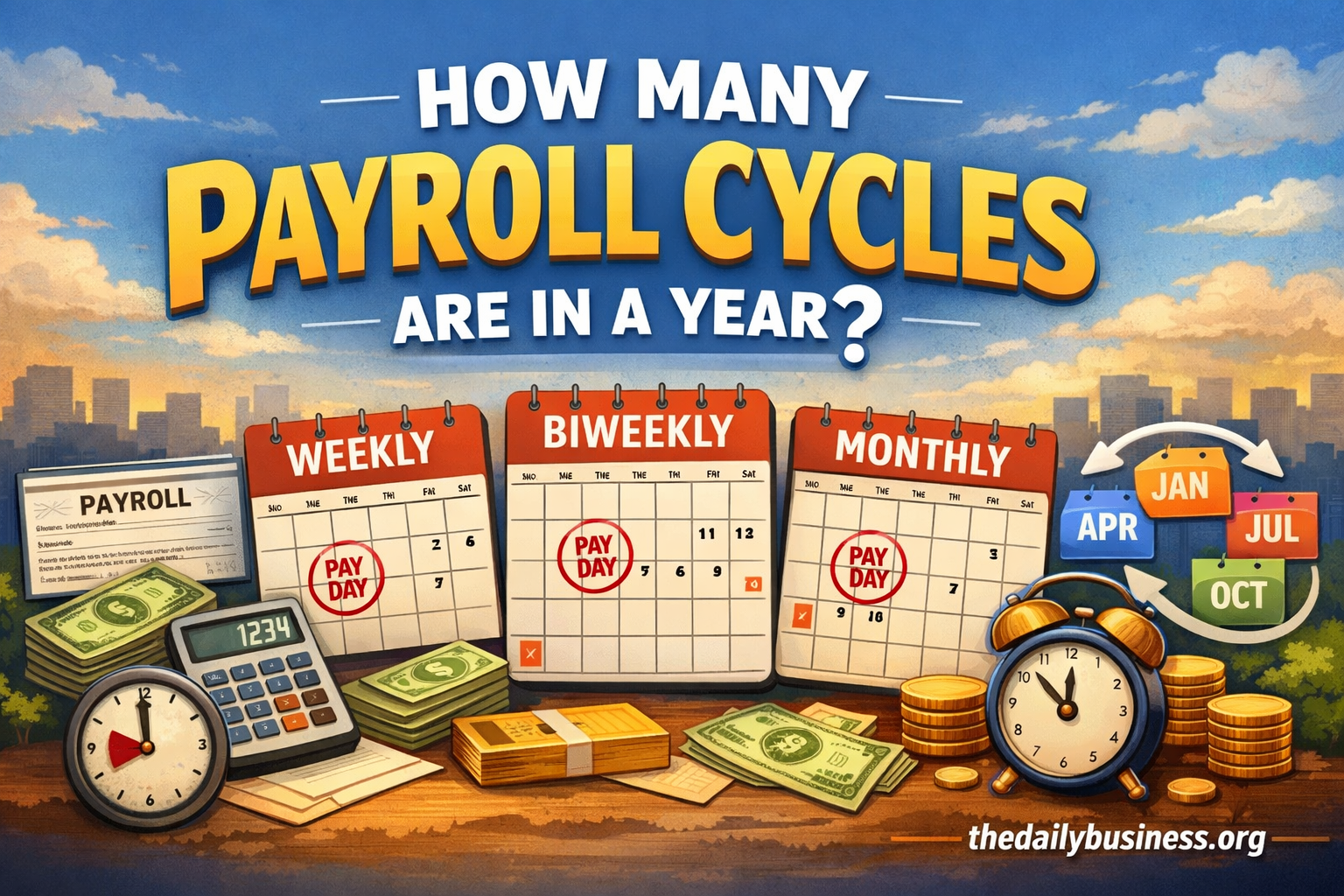
Choosing the right payroll schedule is an important decision for any organization. Among the most common options are weekly vs semi-monthly pay periods, each offering unique advantages and challenges. At The Daily Business, we understand how payroll frequency can impact both employee satisfaction and administrative efficiency.
This article breaks down the differences, benefits, and drawbacks of each pay structure to help you make an informed decision.
What Is a Weekly Pay Period?
A weekly pay period means employees are paid once every week, typically on the same day (e.g., every Friday). This results in 52 paychecks per year.
Advantages of Weekly Pay
- Employees receive frequent payments, improving cash flow
- Ideal for hourly workers or industries with fluctuating hours
- Easier to track overtime and adjust wages accordingly
Disadvantages of Weekly Pay
- Higher administrative workload for payroll processing
- Increased processing costs (especially with manual systems)
- More frequent tax filings and compliance tasks
What Is a Semi-Monthly Pay Period?
A semi-monthly pay period means employees are paid twice a month, usually on fixed dates like the 15th and the last day. This results in 24 paychecks per year.
Advantages of Semi-Monthly Pay
- Lower administrative burden compared to weekly payroll
- Predictable pay dates, helpful for budgeting
- Commonly used for salaried employees
Disadvantages of Semi-Monthly Pay
- Pay dates may fall on weekends or holidays, requiring adjustments
- Overtime calculations can be more complex
- Longer gaps between paychecks for employees
Key Differences Between Weekly vs Semi-Monthly Pay Periods
| Feature | Weekly Pay | Semi-Monthly Pay |
|---|---|---|
| Pay Frequency | 52 times/year | 24 times/year |
| Best For | Hourly workers | Salaried employees |
| Payroll Cost | Higher | Lower |
| Complexity | Simpler overtime tracking | More complex calculations |
| Employee Cash Flow | Better | Moderate |
Which Pay Period Is Right for Your Business?
When deciding between weekly vs semi-monthly pay periods, consider the following factors:
1. Workforce Type
- Hourly employees benefit from weekly pay
- Salaried employees often prefer semi-monthly schedules
2. Administrative Capacity
- Smaller teams may struggle with weekly payroll processing
- Semi-monthly schedules reduce workload and costs
3. Employee Preferences
- Frequent pay can boost morale and retention
- Predictable dates help with personal financial planning
Final Thoughts
There is no one-size-fits-all solution when choosing between weekly vs semi-monthly pay periods. Each option has its own pros and cons depending on your business model, workforce, and operational capacity.
At The Daily Business, we recommend evaluating your company’s needs carefully before deciding. A well-chosen payroll schedule not only ensures compliance but also enhances employee satisfaction and overall efficiency.