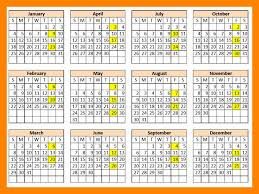
Managing payroll efficiently is essential for any business. One of the most popular payroll systems used by companies today is the biweekly payroll calendar yearly model. At The Daily Business, we understand how important it is for employers to streamline payroll processes while ensuring accuracy and compliance.
In this guide, we’ll break down everything you need to know about a biweekly payroll calendar, how it works, and why it might be the right choice for your business.
What Is a Biweekly Payroll Calendar Yearly?
A biweekly payroll calendar yearly system means employees are paid once every two weeks, typically on the same day (such as Friday). This results in:
- 26 pay periods in a standard year
- Occasionally 27 pay periods depending on the calendar year
This system is widely used because it balances consistency and administrative efficiency.
How Does a Biweekly Payroll System Work?
In a biweekly payroll schedule:
- Employees work for a 14-day period
- Payroll is processed at the end of each period
- Payments are issued on a fixed weekday
For example, if your first pay date is the first Friday of January, every subsequent paycheck will follow every two weeks.
Why Businesses Choose a Biweekly Payroll Calendar
Many companies prefer the biweekly payroll calendar yearly approach for several reasons:
1. Predictability
Employees know exactly when they will be paid, making financial planning easier.
2. Simplified Payroll Processing
With only 26 payroll runs per year, it reduces administrative workload compared to weekly payroll.
3. Cost Efficiency
Fewer payroll cycles mean reduced processing costs, especially for businesses using payroll software or third-party services.
4. Overtime Alignment
Biweekly payroll aligns well with overtime calculations, especially in industries with hourly workers.
Understanding 26 vs. 27 Pay Periods
Most years include 26 pay periods, but occasionally a year may include 27 pay periods. This happens when:
- The year starts on a specific weekday
- Leap years affect the calendar cycle
What Should Businesses Do?
When a 27th pay period occurs, businesses can:
- Adjust employee salaries slightly
- Plan payroll budgets in advance
- Communicate clearly with employees
Proper planning avoids financial discrepancies.
How to Create a Biweekly Payroll Calendar
To build a biweekly payroll calendar yearly, follow these steps:
- Choose your first pay date
- Add 14 days to determine each subsequent pay date
- Mark all pay dates across the year
- Include deadlines for timesheet submissions and processing
Using payroll software can automate this process and minimize errors.
Common Challenges and Solutions
1. Holiday Delays
If a payday falls on a holiday, payments may need to be processed earlier.
Solution: Plan ahead and adjust payroll schedules accordingly.
2. Cash Flow Management
Biweekly payroll requires consistent cash availability.
Solution: Maintain a payroll reserve fund.
3. Employee Confusion
Some employees may struggle with months that have three paychecks.
Solution: Provide a clear payroll calendar at the start of the year.
Best Practices for Managing Biweekly Payroll
- Share a yearly payroll calendar with employees
- Use automated payroll systems
- Regularly review compliance with labor laws
- Keep accurate records of hours worked and payments
- Prepare for occasional 27-pay-period years
Is a Biweekly Payroll Calendar Right for Your Business?
The biweekly payroll calendar yearly system works best for:
- Small to medium-sized businesses
- Companies with hourly employees
- Organizations seeking balance between cost and efficiency
However, every business has unique needs. It’s important to evaluate your workforce, cash flow, and administrative capacity before choosing a payroll schedule.
Final Thoughts
A biweekly payroll calendar yearly offers a structured and efficient way to manage employee payments. With proper planning and the right tools, businesses can reduce payroll errors, improve employee satisfaction, and maintain financial stability.
At The Daily Business, we recommend creating a detailed payroll calendar at the start of each year to ensure smooth operations and long-term success.