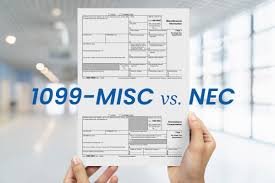
Understanding tax forms is essential for freelancers, independent contractors, and small business owners. One of the most common sources of confusion is the difference between the 1099-MISC vs 1099 NEC for contractors. While both forms report income, they serve different purposes and are used in different situations.
In this guide by The Daily Business, we’ll break down the differences in a simple way so you can stay compliant and avoid costly tax mistakes.
What is Form 1099-NEC?
The 1099-NEC (Nonemployee Compensation) is used specifically to report payments made to independent contractors. If a business pays a freelancer, consultant, or self-employed worker $600 or more in a year, they must issue a 1099-NEC.
Key points:
- Reports nonemployee compensation only
- Used for freelancers, contractors, and gig workers
- Must be filed by January 31 each year
- Reintroduced in 2020 to separate contractor income from other payments
This form helps the IRS track self-employment income more clearly.
What is Form 1099-MISC?
The 1099-MISC (Miscellaneous Income) is a broader tax form used for various types of income that don’t fit into standard categories.
Common uses include:
- Rent payments
- Royalties
- Legal settlements
- Medical and healthcare payments
- Other miscellaneous income types
While it used to include contractor payments, that responsibility has now shifted to the 1099-NEC.
1099-MISC vs 1099 NEC for Contractors: Key Differences
Here’s a simple breakdown of the main differences:
1. Purpose
- 1099-NEC: For contractor payments
- 1099-MISC: For other types of income
2. Payment Type
- 1099-NEC: Services performed by freelancers or independent contractors
- 1099-MISC: Rent, royalties, legal payouts, and more
3. Filing Deadline
- 1099-NEC: January 31
- 1099-MISC: February 28 (paper filing) or March 31 (electronic filing)
4. IRS Reporting Focus
- 1099-NEC: Self-employment income tracking
- 1099-MISC: Miscellaneous taxable income categories
Why the Difference Matters
Using the wrong form can lead to IRS penalties or processing delays. Businesses must correctly identify whether a payment is for services or other income types.
For contractors, receiving the correct form ensures:
- Accurate tax filing
- Proper income reporting
- Avoidance of IRS audits or confusion
Who Needs a 1099-NEC?
You will typically receive a 1099-NEC if:
- You are an independent contractor
- You earned $600 or more from a client
- You provided services (not goods)
- You are not an employee of the company
Who Needs a 1099-MISC?
You may receive a 1099-MISC if you earned:
- Rental income
- Royalties from intellectual property
- Legal settlements
- Other non-service-related income
Common Mistakes to Avoid
Many small businesses and freelancers make mistakes when handling these forms. Here are a few to watch out for:
- Using 1099-MISC for contractor payments
- Missing filing deadlines
- Not tracking total payments throughout the year
- Misclassifying workers as contractors instead of employees
Final Thoughts
Understanding the difference between 1099-MISC vs 1099 NEC for contractors is crucial for staying compliant with IRS rules. While both forms report income, they apply to very different situations.
At The Daily Business, we recommend keeping clear records of all payments and consulting a tax professional if you are unsure which form applies.